Entry · Ref TAPNHZWP
Does Pressure Cleaning Use Less Water Than a Garden Hose?
- Posted
- 2026-11-27
- Last amended
- 2026-11-27
- Account
- @garrettekae225
If you are looking to freshen up your driveway, timber deck, or exterior walls in Toowoomba, you might wonder whether firing up a pressure washer wastes more water than reaching for a standard garden hose. The straightforward answer is no—pressure cleaning actually uses significantly less water than an ordinary garden tap and hose setup.
The Numbers: Flow Rate vs Pressure
Many homeowners assume that because a pressure washer produces a loud, powerful spray, it must consume massive volumes of water. In reality, the opposite is true. The power of a pressure cleaner comes from extreme water velocity (measured in PSI or pounds per square inch), not high volume (measured in litres per minute, or L/min).

- Standard Garden Hose: An unrestricted garden hose connected directly to a domestic Toowoomba mains outlet typically discharges between 20 and 35 litres of water per minute under low pressure (around 40 to 60 PSI).
- Domestic Pressure Washer: A typical residential pressure washer uses only 7 to 10 litres per minute, while generating anywhere between 1,800 and 3,000 PSI.
- Commercial Pressure Cleaner: Heavy-duty commercial units used by local contractors generally operate around 12 to 15 litres per minute at upwards of 4,000 PSI.
This means a pressure cleaner cuts the flow rate by up to 70 to 80 percent compared to letting a regular hose run. Because the intense pressure removes dirt, moss, and mildew in seconds, the total cleaning time is also drastically reduced, compounding your total water savings.
Why Water Efficiency Matters in Toowoomba
For residents living across the Darling Downs, mindful water consumption has always been a priority. Given regional variations in rainfall and local water storage levels managed by the Toowoomba Regional Council, keeping outdoor water use minimal is both responsible and cost-effective.
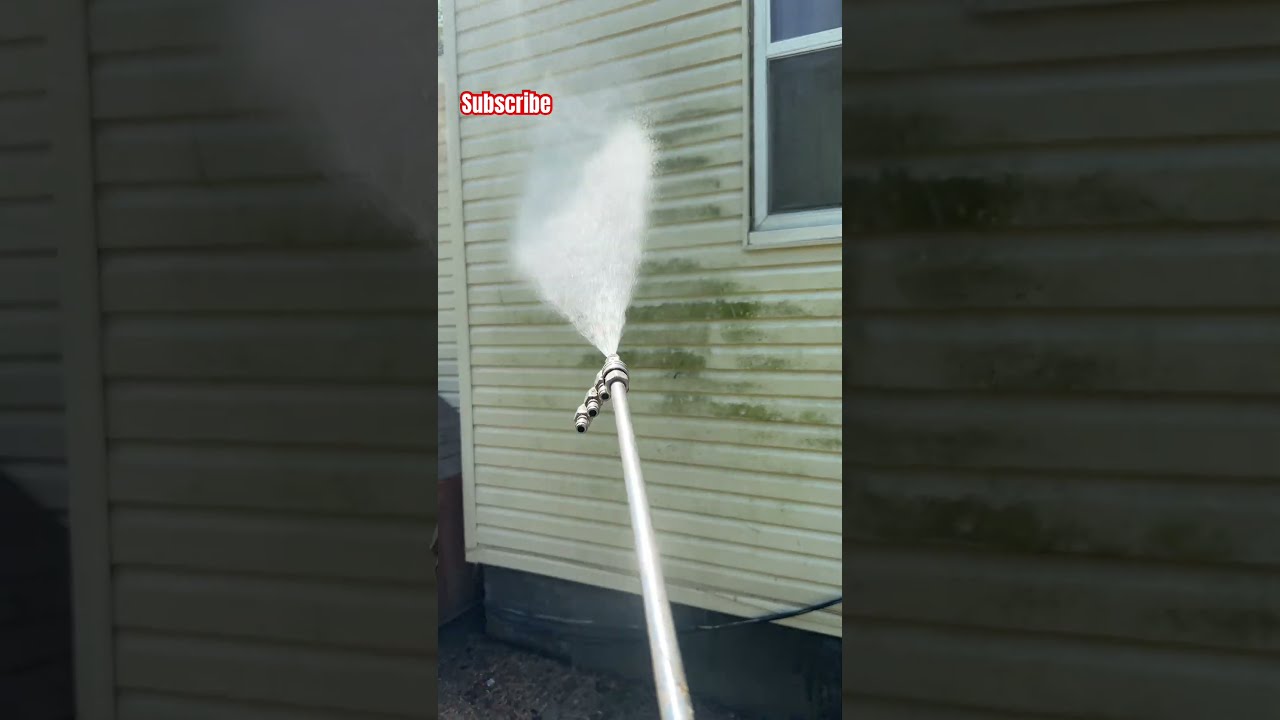
Attempting to wash embedded grime, red soil stains, or mould off concrete surfaces using a hose and a broom often leads to letting the tap run for hours with mediocre results. By relying on high pressure rather than water volume, a pressure washer provides a deep clean in a fraction of the time, making it an environmentally sound choice for https://garretttkht488.fairmontdigest.com/posts/best-time-to-pressure-clean-your-home-in-toowoomba Toowoomba property maintenance.
Best Practices to Minimise Water Use During Exterior Cleaning
Even with water-wise equipment, applying smart techniques ensures you do not waste a single drop. If you are cleaning surfaces around your home, keep these practical tips in mind:

- Dry Sweep First: Clear loose leaves, dirt, and debris with a stiff outdoor broom before turning on the water supply.
- Use the Right Nozzle: A wider fan nozzle (such as a 25-degree or 40-degree tip) covers more surface area quickly for routine washing, while a rotary turbo nozzle lifts stubborn driveway grime with minimal dwell time.
- Attach a Surface Cleaner: For flat surfaces like driveways and pathways, a rotary surface cleaner accessory encloses the spray, prevents overspray, cleans evenly, and finishes the job significantly faster than a single spray wand.
- Inspect Your Fittings: Ensure all hose connections and quick-connect seals are tight to eliminate leaks or pressure drops while cleaning.
Achieving a Better Clean with Less Waste
Whether you are prepping a timber deck for oiling or clearing away winter algae from brick paving, modern pressure cleaning technology remains one of the most water-efficient ways to maintain your outdoor living spaces. In comparison to an ordinary garden hose, pressure washing gets surfaces cleaner, faster, and with a fraction of the overall environmental footprint.
Toowoomba Pressure Cleaning Pros
(07) 4646 4034